RoboVisionAI · Kingston · Vision Robotics

Seeing the future of service robotics through precision vision, simulation and field-tested AMR programmes.

From our Brock Street research campus in Kingston, RoboVisionAI designs perception frameworks, AMR pilot programmes and healthcare robotics labs that bridge computer vision research with real-world deployment — built for operators who need measurable outcomes, not slide decks.

Computer vision robotics research · BN 871405962ON0001 · PIPEDA aligned

Service robot with vision sensors in a clinical corridor
Vision-guided service robotics
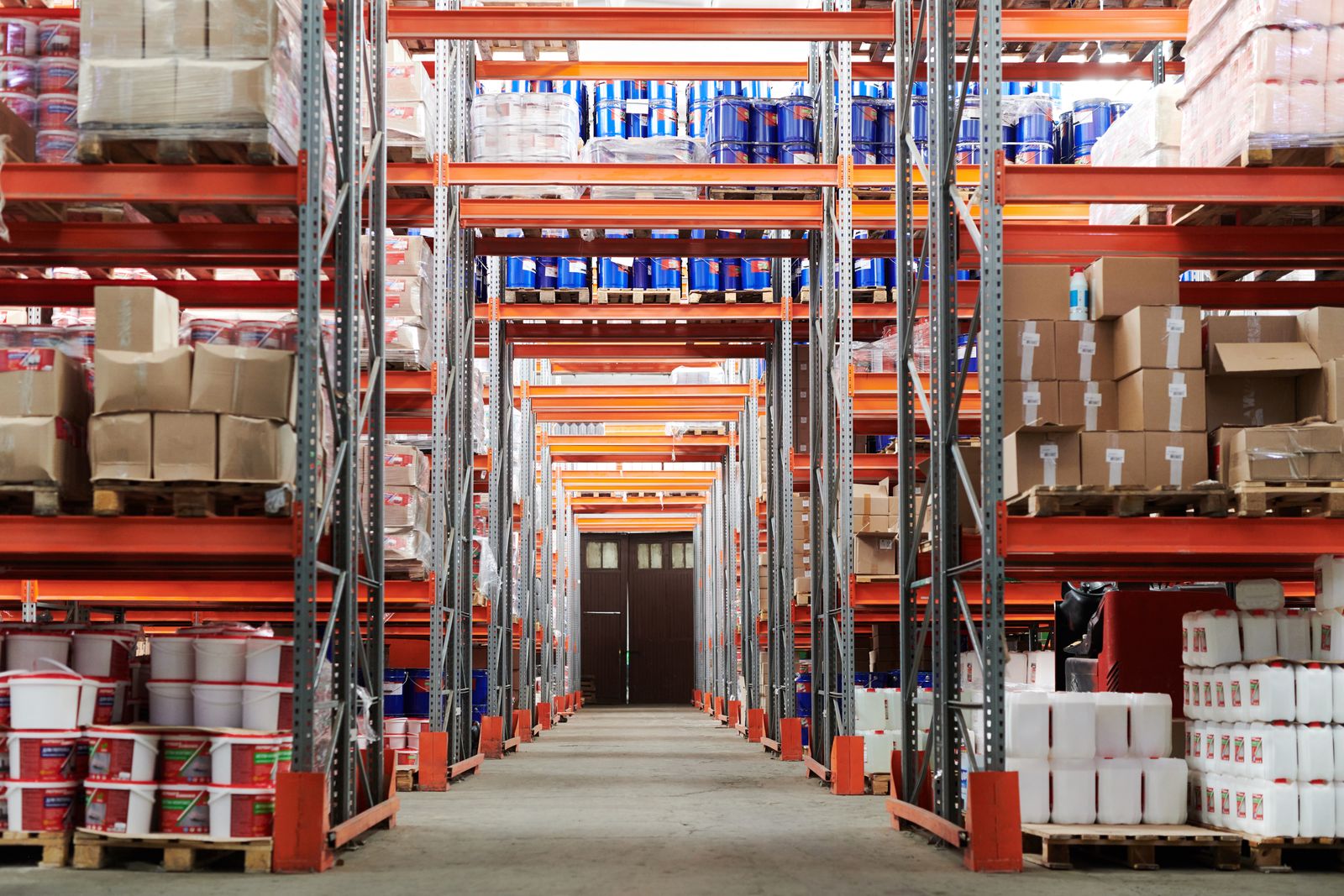
Autonomous mobile robot navigating a warehouse aisle with lidar and cameras
Warehouse AMR perception pilots
Researchers collaborating around robotics hardware in a bright Kingston lab
Collaboration lab sessions

Our manifesto

Service robotics should perceive the world clearly — not guess at it

RoboVisionAI exists because Canadian facilities deserve robotics partners who understand both the perception stack and the loading dock. We are not a marketing agency, web design studio or general IT outsourcing firm. We are a computer vision robotics research and integration practice headquartered at 166 Brock Street in Kingston, where engineers, clinicians and logistics operators co-design autonomous systems that respect real constraints: floor layouts, infection control protocols, shift schedules and safety certification pathways.

Our manifesto is straightforward. Simulation environments must predict field behaviour before capital is committed. Motion planning workshops must include the people who will supervise robots daily. Healthcare robotics labs must align with provincial procurement realities, not just IEEE papers. Warehouse AMR pilots must account for pallet variance, Wi-Fi dead zones, reflective surfaces and seasonal throughput spikes. Every engagement ends with documented integration artefacts — not a folder of untested prototypes.

We believe perception is the missing discipline in robotics adoption. Hardware vendors ship platforms. Software vendors ship SDKs. RoboVisionAI integrates vision pipelines, depth sensing, semantic mapping and operator interfaces into operational service robotics programmes with clear ownership, training curricula and escalation paths. That integration happens in our Kingston studios, in your facility during pilot sessions, and in ongoing simulation review cycles that keep fleets aligned with evolving floor plans.

Vision without validation is theatre. Every RoboVisionAI programme includes structured perception benchmarking — occlusion tests, lighting sweeps, adversarial object placement and human-robot proximity scenarios — so your stakeholders see evidence before signing off on scale-up. We publish lab reports in plain language, not jargon, because facility directors and nursing managers deserve the same clarity as our robotics engineers.

RoboVisionAI provides computer vision robotics research, integration workshops and pilot facilitation. We do not guarantee specific uptime, throughput or regulatory outcomes. Results depend on facility infrastructure, staff training and third-party hardware performance. Nothing on this site constitutes medical, legal or engineering certification advice.

52
AMR pilot sessions completed
14
Healthcare robotics lab builds
6
Structured programmes (RVA-101–601)
4.2k
Simulation hours reviewed annually

*Illustrative operational metrics. Individual deployment outcomes vary by facility conditions and integration depth.

Solution domains

Five vision robotics domains with expandable lab panels

Each domain maps to dedicated workshop space at our Brock Street campus and field protocols tested across Kingston-area and Ontario facilities.

Clinical delivery robots, specimen transport AMRs and assistive manipulation platforms integrated with hospital wayfinding and vision-based obstacle detection. Our healthcare robotics lab replicates corridor widths, elevator interfaces and hand-hygiene checkpoints before any unit enters a live ward.

Healthcare robotics laboratory with vision-equipped service robot on test track

Autonomous mobile robot pilots for pick-and-place, sortation and replenishment workflows. We model traffic rules, charging strategies and human-robot coexistence zones using your CAD floor plans, camera placement studies and historical throughput data from Ontario distribution centres.

Custom motion planning workshops tune local planners, global path solvers, depth-camera fusion and dynamic obstacle avoidance for service robot fleets. Sessions include ROS 2 navigation stack review, sensor fusion calibration and failure-mode drills your operators can repeat without our engineers on site.

Digital twin and Gazebo/Isaac-style simulation environments that mirror your facility geometry, lighting conditions and pedestrian density. Simulation review cycles catch edge cases — sudden cart movements, reflective floors, elevator delays — before they become incident reports.

Operator certification programmes covering emergency stop protocols, fleet scheduling interfaces and escalation workflows. Collaboration labs pair your floor supervisors with our integration engineers for hands-on robotics demo sessions that build confidence before go-live.

Collaboration feature

Co-design sessions that keep humans in the perception loop

RoboVisionAI collaboration labs are structured working sessions — not sales presentations. Your facilities team, IT network owners and frontline staff join our researchers around live hardware to define acceptance criteria, map Wi-Fi coverage gaps, calibrate camera viewpoints and document exception handling before pilot sign-off.

Each session produces a collaboration brief: floor zones, robot personas, communication protocols, vision coverage maps and a 30-day checkpoint schedule. Kingston clients often run initial sessions at our Brock Street studio before we relocate equipment to their site for AMR pilot sessions under real operating conditions.

Reserve a collaboration lab
AMR pilot collaboration session with facility operators and RoboVisionAI engineers

Integration ecosystem

Platforms and protocols we integrate daily

Simulation environment displaying robot fleet paths and vision overlays in a virtual warehouse

Our integration ecosystem spans robot middleware, perception pipelines, facility APIs and observability stacks. We do not resell hardware — we make your chosen platforms work together with documented interfaces your internal teams can maintain.

ROS 2 / Nav2 OpenCV pipelines MQTT fleet bridges REST facility hooks VDA 5050 AMR HL7 FHIR adapters Gazebo / Isaac Sim Prometheus telemetry

FAQ preview

Common questions about vision robotics with RoboVisionAI

We are vendor-neutral integrators focused on perception and service robotics outcomes. Hardware vendors optimize their SKU; we optimize your workflow, vision pipeline, training plan and simulation-to-field pipeline across multiple suppliers.
Yes. Brock Street is our research anchor, but AMR pilots and healthcare lab builds extend across Ontario and select national accounts. Remote simulation review is available for all programmes.
Most warehouse AMR pilots run eight to twelve weeks including simulation setup, on-site deployment and operator certification. Healthcare deployments may require additional compliance review time.

View all frequently asked questions →

Ready to deploy vision-guided service robotics?

Book a robotics demo at our Kingston campus or request an on-site AMR pilot consultation.

Live robotics demonstration with vision-equipped service robot and invited guests